

Hear from Our Customers
You’ve noticed the musty smell. Maybe someone in your house can’t stop coughing, or your allergies have gotten worse for no clear reason. You’re wondering if it’s mold, but you can’t see anything obvious.
That’s the problem with mold. It hides behind walls, under floors, inside ductwork. You can smell it or feel it before you ever see it.
Professional mold testing doesn’t guess. We collect air samples and surface samples from your home, send them to a certified lab, and get back detailed results that identify exactly what’s present and at what concentration. That means you know if you’re dealing with common household mold or something more concerning like black mold. You know where the problem is worst. And you know what needs to happen next.
No more wondering if that smell is just old carpet. No more second-guessing whether your kid’s cough is seasonal or something in the house. Just clear information you can act on.
We’ve been testing and treating mold issues across Bucks County for years. We know the climate here – the humidity that settles in during summer, the freeze-thaw cycles that crack foundations, the older homes with basements that were never meant to stay dry.
Pinewood sits right in the middle of an area where moisture problems are common. Homes here deal with groundwater seepage, poor attic ventilation, and HVAC systems that can’t keep up when it gets humid. All of that creates conditions where mold grows fast.
We’re not a national franchise. We’re local, licensed, and we’ve seen what happens in homes like yours when small moisture problems turn into bigger mold issues. Our job is to catch it early and give you the facts.
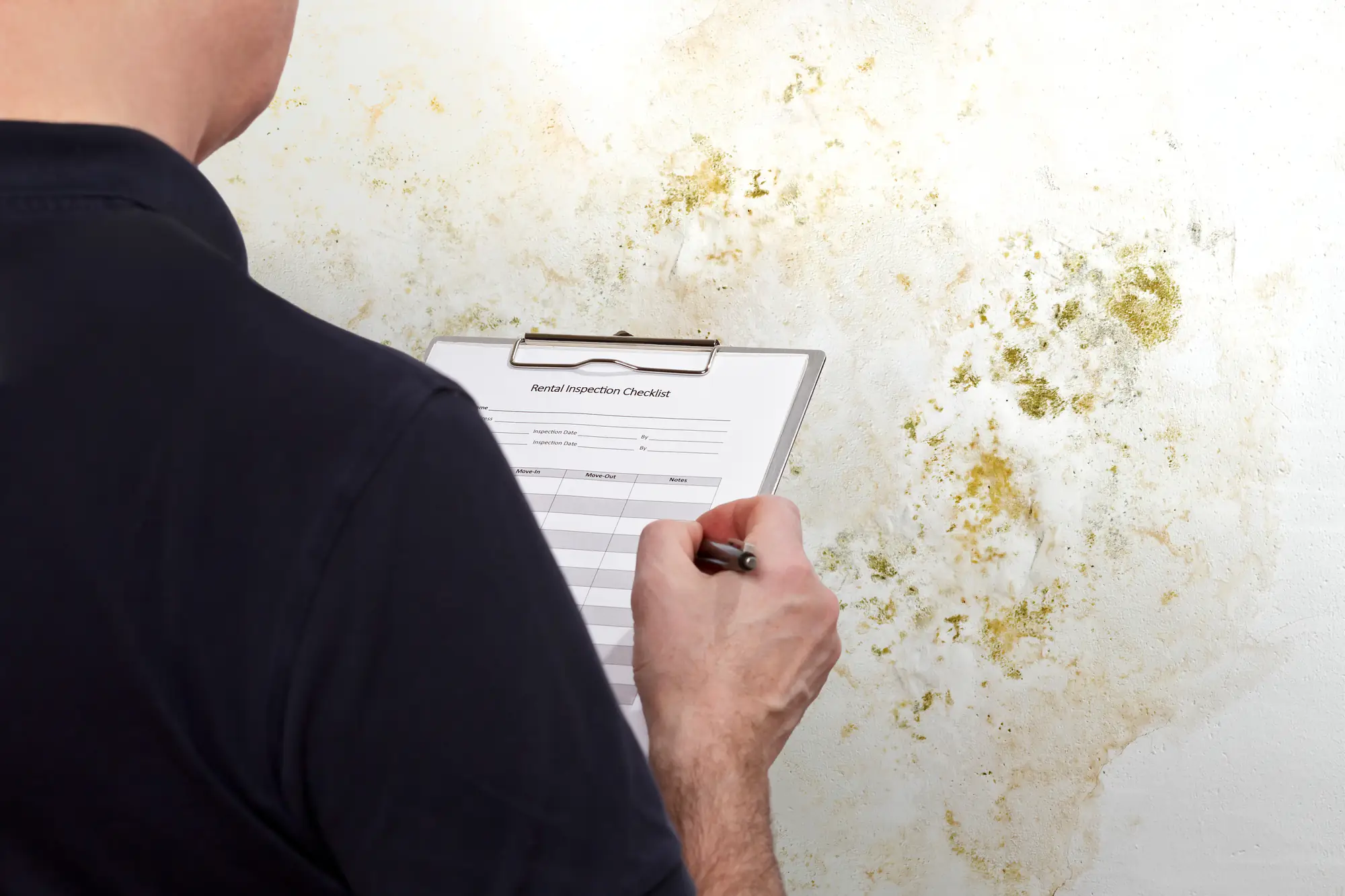
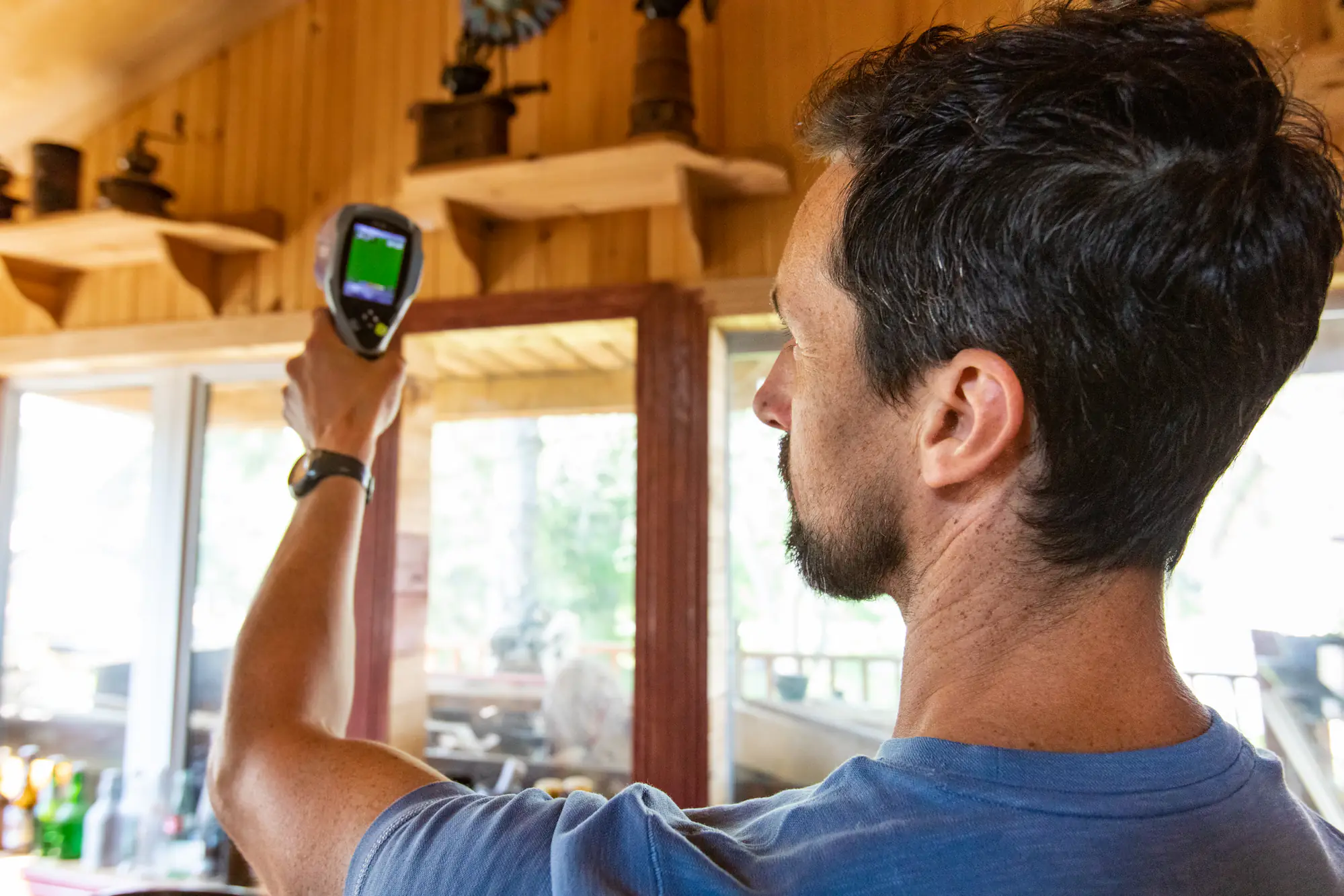
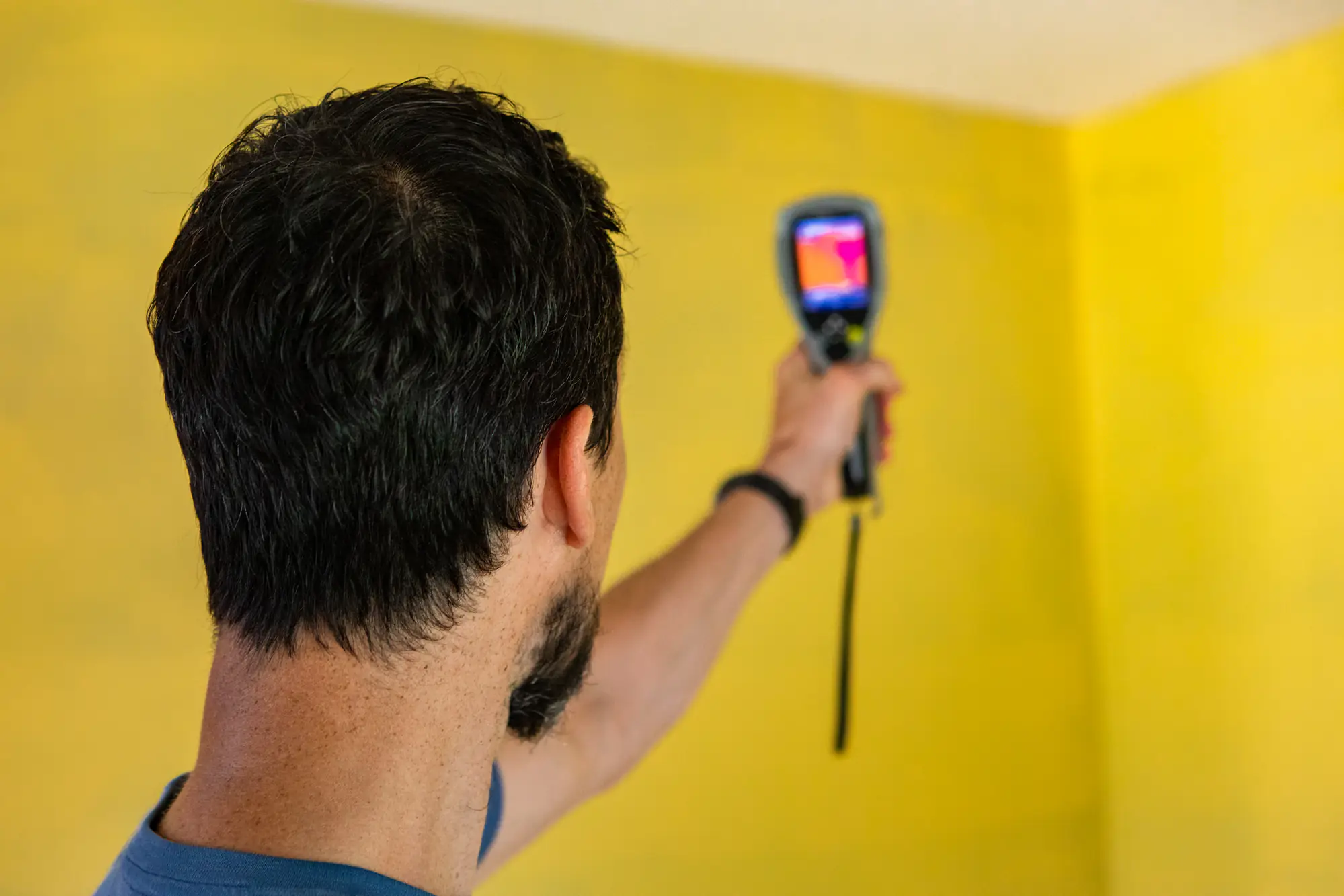
First, we walk through your home and look for visible signs of mold, water damage, or moisture issues. We use infrared cameras to detect temperature differences in walls and ceilings – cold spots often mean hidden moisture. We also use moisture meters to measure humidity levels in materials like drywall, wood, and insulation.
Then we collect samples. Air samples capture mold spores floating in your indoor air, even if nothing is visible. Surface samples test areas where we see discoloration or suspect growth. We typically take samples from multiple rooms to compare contamination levels and identify where the problem is concentrated.
Those samples go to an independent lab for analysis. The lab identifies the types of mold present and measures spore counts. Within a few days, we get back a detailed report. We review it with you in plain language – what was found, what it means for your health and your home, and what the next steps should be.
If remediation is needed, we give you a clear plan. If the issue is minor, we tell you that too. The goal is accurate information, not overselling.
Ready to get started?
A professional mold test includes a full visual inspection of your property, moisture mapping with infrared and meter readings, air quality sampling from multiple zones, and surface testing of suspected growth areas. All samples are analyzed by a certified third-party lab, and you receive a written report with findings and recommendations.
In Pinewood and the surrounding Bucks County area, we’re especially focused on basements, crawl spaces, and attics – the three places where Pennsylvania homes tend to trap moisture. Basements here often have stone foundations that let groundwater through. Crawl spaces stay damp because they’re poorly ventilated. Attics get hot and humid in summer, and that moisture condenses on cold surfaces in winter.
We also check around windows, under sinks, near water heaters, and behind appliances. Anywhere water has leaked or condensation builds up is a potential mold site.
Most residential mold testing in this area runs between $300 and $670, depending on the size of your home and how many samples are needed. We’ll give you a clear quote up front based on what we find during the initial walkthrough.
A regular home inspection looks at structural issues, electrical, plumbing, and general safety. It’s broad but not deep on any one issue. A mold test is specific – it’s designed to detect mold you can’t see and measure air quality in detail.
If you’re smelling something musty, seeing discoloration on walls or ceilings, dealing with unexplained respiratory symptoms, or you’ve had water damage in the past, a mold test gives you answers a general inspection won’t. Home inspectors aren’t required to test air quality or send samples to a lab. Mold testing companies are.
In Pennsylvania, mold assessment requires specific licensing. That means certified mold inspectors are trained to find hidden growth and interpret lab results. If you’re buying or selling a home and mold is a concern, get a dedicated mold test – not just a checkbox on a general inspection report.
Black mold usually refers to Stachybotrys chartarum, a type of mold that can produce mycotoxins under certain conditions. It’s often found in areas with prolonged water damage – think soaked drywall or wet insulation that never fully dried.
But here’s the thing: not all black-colored mold is Stachybotrys, and not all Stachybotrys is toxic. The only way to know what you’re dealing with is lab testing. Other molds like Aspergillus, Penicillium, and Cladosporium are more common in homes and can also cause health problems, especially for people with asthma or allergies.
What matters most isn’t the color – it’s the type, the concentration, and where it’s growing. A professional mold test identifies the species and spore count so you know if you’re dealing with a minor issue or something that needs immediate remediation. Guessing based on color doesn’t help.
The on-site inspection and sample collection usually takes one to two hours, depending on the size of your home and how many areas we’re testing. We’re thorough but efficient – we’re not tearing apart your house, just collecting air and surface samples in key locations.
Once samples are collected, they’re sent to a certified lab for analysis. Lab turnaround is typically three to five business days. When the results come back, we schedule a time to review them with you – either over the phone or in person, depending on what works better for you.
The report will show what types of mold were detected, the concentration levels in different areas of your home, and how those levels compare to outdoor air. We walk through what it all means and what actions, if any, make sense based on the findings. If remediation is recommended, we’ll outline a plan and give you a clear cost estimate before any work starts.
If you can see a small patch of mold on a non-porous surface – like tile or glass – and it’s from a minor, one-time moisture issue, you can often clean it yourself with the right cleaner and precautions. But if the mold covers more than a few square feet, if it’s on porous materials like drywall or carpet, or if it keeps coming back, testing first is the smarter move.
Here’s why: mold you can see is often just part of the problem. There’s usually more behind the wall, under the floor, or in the HVAC system. If you clean the surface but don’t address the moisture source or the hidden growth, it comes right back.
Professional testing tells you how widespread the issue is and whether the air quality in your home is compromised. It also identifies the moisture source so you can fix the root cause, not just the symptom. In Pinewood, where basements and crawl spaces tend to stay damp, that underlying moisture issue is almost always part of the equation. Skipping the test means you’re guessing – and mold problems don’t get better when you guess.
Mold exposure most commonly triggers respiratory symptoms – coughing, sneezing, throat irritation, nasal congestion, and itchy or watery eyes. If someone in your home has asthma, mold can make attacks more frequent or severe. People with mold allergies react even to low levels of spores in the air.
Long-term exposure, especially to higher concentrations, can lead to chronic sinus infections, persistent fatigue, headaches, and difficulty concentrating. Some molds produce mycotoxins that can cause more serious health effects, but that typically requires prolonged exposure to significant contamination – not just a small patch in the corner of a bathroom.
The severity depends on the type of mold, how much is present, and who’s being exposed. Young children, elderly adults, and anyone with a compromised immune system or existing respiratory condition are more vulnerable. If people in your home are experiencing unexplained symptoms that get better when they leave the house and worse when they return, that’s a strong indicator that indoor air quality is the issue. A mold test confirms whether spores are the culprit and at what levels, so you’re not just treating symptoms – you’re addressing the source.
Most residential mold testing in the Pinewood and Bucks County area runs between $300 and $670. The cost depends on the size of your home, how many rooms need testing, and how many air or surface samples are required to get accurate results.
A basic test with a visual inspection and two air samples starts around $300. If we need to test multiple zones – like the basement, main floor, and attic – or collect surface samples from areas with visible growth, the cost goes up. Larger homes or properties with known water damage history may need more comprehensive testing, which can push toward the higher end of that range.
We give you a clear quote after the initial walkthrough, before any samples are collected. No surprises. And if the testing reveals a mold problem that needs remediation, the cost of the test is often rolled into the overall project if you move forward with us for the removal work. The goal is to give you accurate information first, so any money you spend on remediation is going toward the right problem – not guesswork.
Other Services we provide in Pinewood